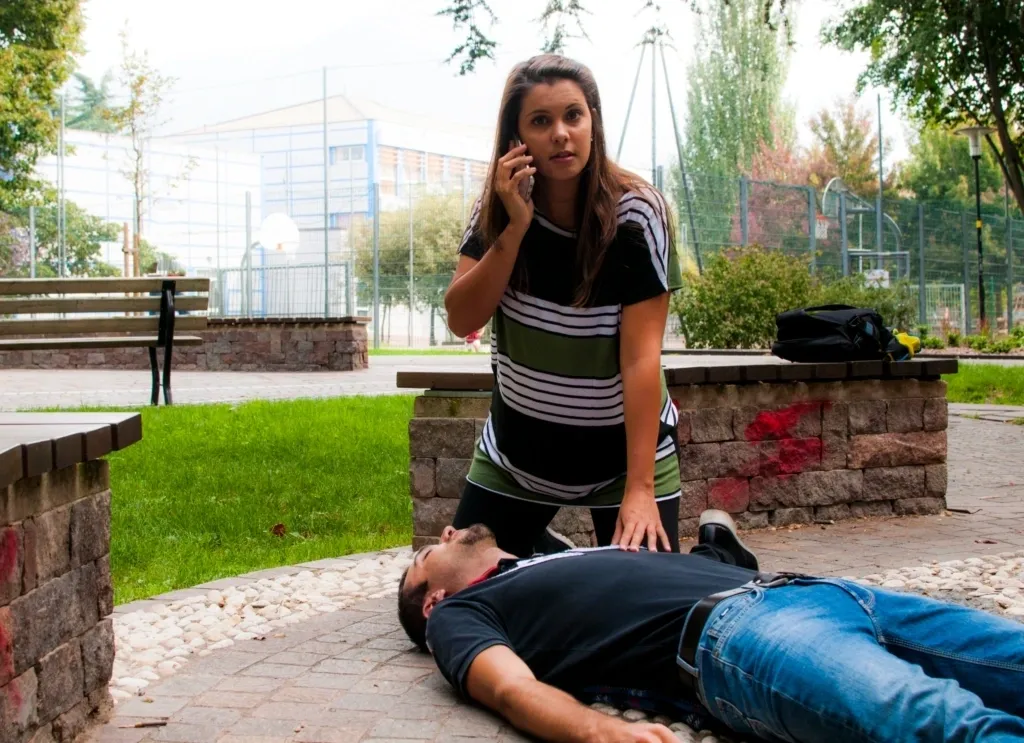
Most people have heard of “Good Samaritan” Laws. Named after a parable from the Bible, the Good Samaritan Law establishes that a person who attempts to help a stranger in need can do so without fear of being fined, sued, or arrested for the consequences of their help.
Most Western countries and beyond have some sort of Good Samaritan Laws in place. The law can also vary in regions within certain countries. Along with here in North America, other countries that have some form of Good Samaritan Laws in place include: the United Kingdom, Finland, China, United Arab Emirates, Australia, Germany, and Ireland just to name a few. But how do Good Samaritan Laws apply to someone performing CPR?
You may have originally heard about Good Samaritan Laws during high school where students are encouraged to help someone without fear of repercussion in the event of an emergency after consuming alcohol or taking drugs.
Essentially, Good Samaritan Laws offer limited protection to those who help a stranger in need so they can help without the fear of being sued or fined. These laws were put in place to encourage bystanders to get involved in emergencies despite the fear that their helping would make the situation worse.
Two conditions must be met for the bystander to not be held legally liable for damages:
The protection of Good Samaritan Laws in the United States also depends on where you live. Some states’ versions will cover anyone who attempts to help in any emergency, while some will only provide protection in certain situations. For example, a law in Texas “A person who in good faith administers emergency care at the scene of an emergency or in a hospital is not liable in civil damages for an act performed during the emergency unless the act is willfully or wantonly negligent.”
Most Good Samaritan laws will also not protect you if you purposefully provide help in a negligent, irresponsible, or reckless manner. How these laws are interpreted depends on the courts.
In most cases, a bystander can’t be held responsible for not intervening in an emergency (they may be a victim of the bystander effect). Some states, however, have exceptions and require bystanders to act in certain emergencies. These laws don’t require you to run into a burning building or chase down a purse thief. Instead, most of these laws, such as those from Vermont and Rhode Island, require assistance that can be as simple as calling 911 or offering water.
In general, you cannot be sued for performing CPR, but this all depends on your location. Some states require a bystander to provide help of some kind, some don’t require bystanders to intervene at all, others have carte blanche protection, and others still only provide protection in certain situations. Look up the Good Samaritan Laws in your location so you can be best prepared if the time arrives for you to provide help.
.png/:/cr=t:0%25,l:0%25,w:100%25,h:100%25/rs=w:1280 "Learn inclusive CPR with KareCoretx")